07 Mar 2019

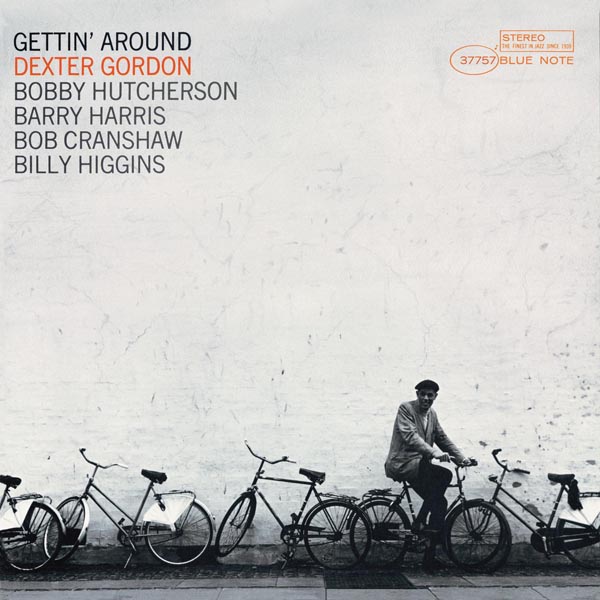
Dexter Gordon’s mid-’60s period living in Europe also meant coming back to the U.S. for the occasional recording session. His teaming with Bobby Hutcherson was intriguing in that the vibraphonist was marking his territory as a maverick and challenging improviser. Here the two principals prove compatible in that they…
Read More

07 Mar 2019

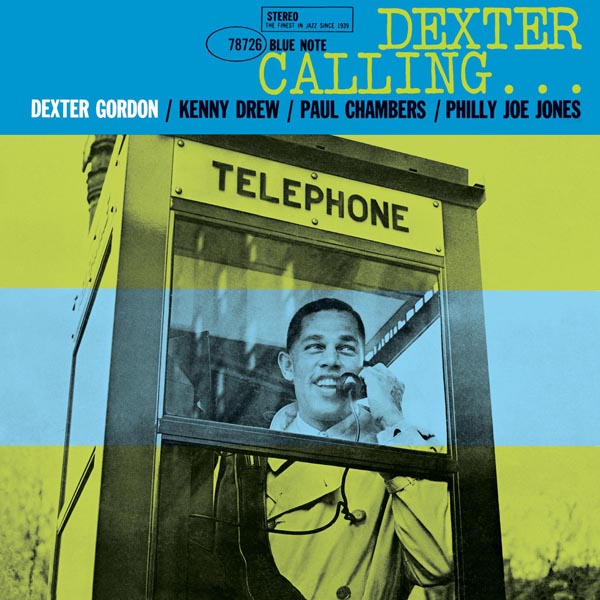
Dexter Gordon’s second recording for the Blue Note label is a solidly swinging affair, yet constantly full of surprises. It’s not unexpected that Gordon’s tenor at this time — 1961 — is one of the most enjoyable in mainstream jazz, but his transition from the cool California scene to…

Read More

07 Mar 2019

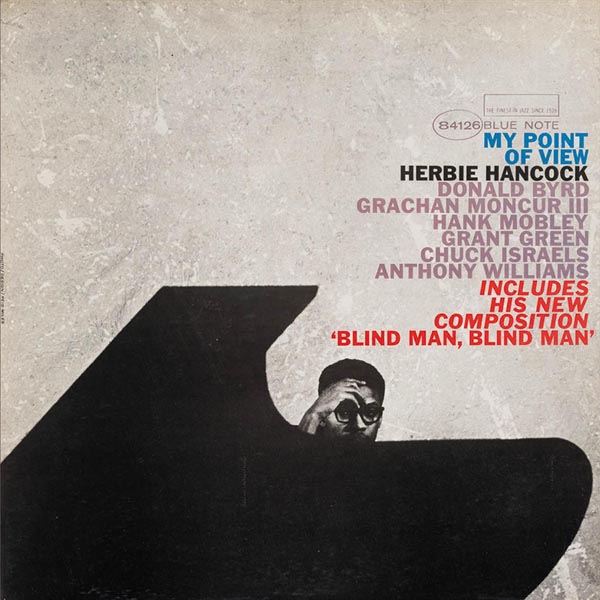
Takin’ Off was an impressive debut effort from Herbie Hancock, and his second record, My Point of View, proved that it was no fluke. Hancock took two risks with the album — his five original compositions covered more diverse stylistic ground than his debut, and he assembled a large…

Read More

07 Mar 2019

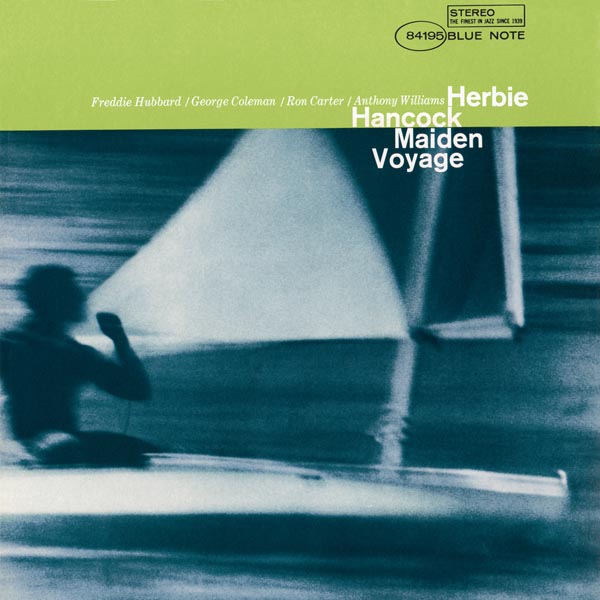
Less overtly adventurous than its predecessor, Empyrean Isles, Maiden Voyage nevertheless finds Herbie Hancock at a creative peak. In fact, it’s arguably his finest record of the ’60s, reaching a perfect balance between accessible, lyrical jazz and chance-taking hard bop. By this point, the pianist had been with Miles…

Read More

07 Mar 2019

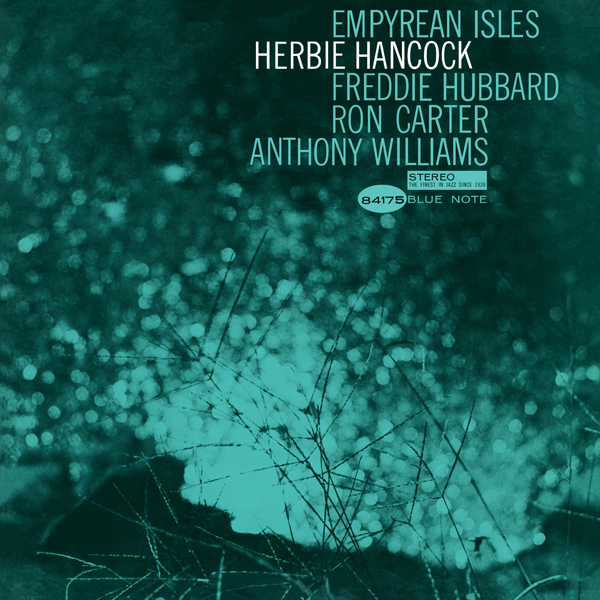
My Point of View and Inventions and Dimensions found Herbie Hancock exploring the fringes of hard bop, working with a big band and a Latin-flavored percussion section, respectively. On Empyrean Isles, he returns to hard bop, but the results are anything but conventional. Working with cornetist Freddie Hubbard, bassist…

Read More

07 Mar 2019

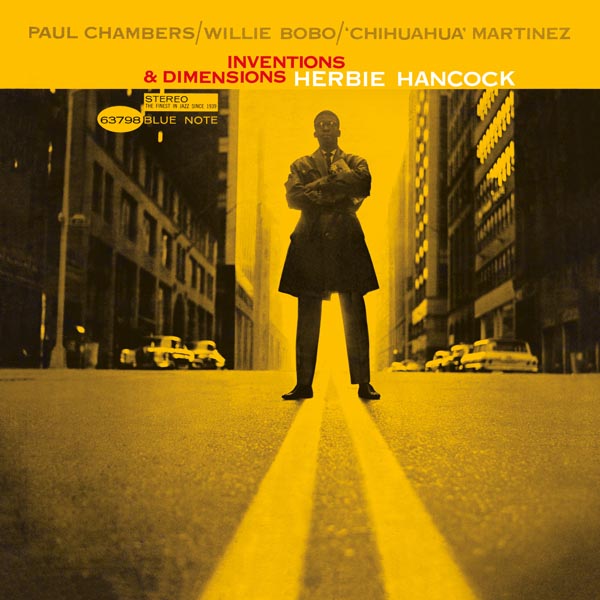
For his third album, Inventions and Dimensions, Herbie Hancock changed course dramatically. Instead of recording another multifaceted album like My Point of View, he explored a Latin-inflected variation of post-bop with a small quartet. Hancock is the main harmonic focus of the music — his three colleagues are bassist…

Read More

07 Mar 2019

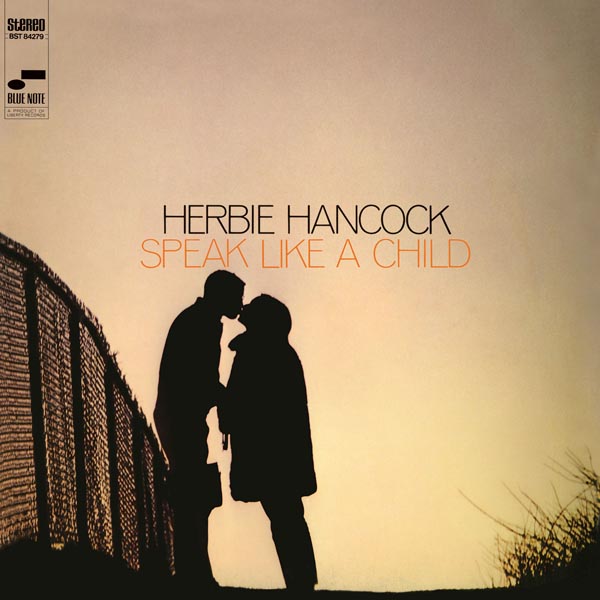
Between 1965’s Maiden Voyage and 1968’s Speak Like a Child, Herbie Hancock was consumed with his duties as part of the Miles Davis Quintet, who happened to be at their creative and popular peak during those three years. When Hancock did return to a leadership position on Speak Like…

Read More

07 Mar 2019

Herbie Hancock’s debut as a leader, Takin’ Off, revealed a composer and pianist able to balance sophistication and accessibility, somewhat in the vein of Blue Note’s prototype hard bopper Horace Silver. Yet while Hancock could be just as funky and blues-rooted as Silver, their overall styles diverged in several…

Read More

07 Mar 2019

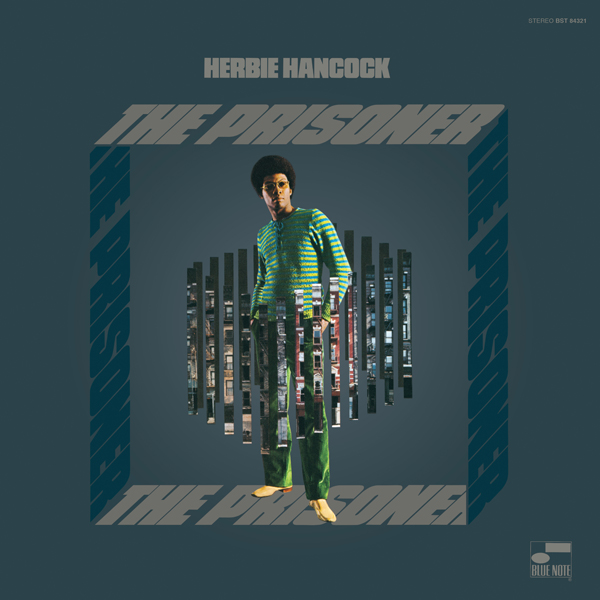
As one of the first albums Herbie Hancock recorded after departing Miles Davis’ quintet in 1968, as well as his final album for Blue Note, The Prisoner is one of Hancock’s most ambitious efforts. Assembling a nonet that features Joe Henderson (tenor sax, alto flute), Johnny Coles (flugelhorn), Garnett…

Read More

07 Mar 2019

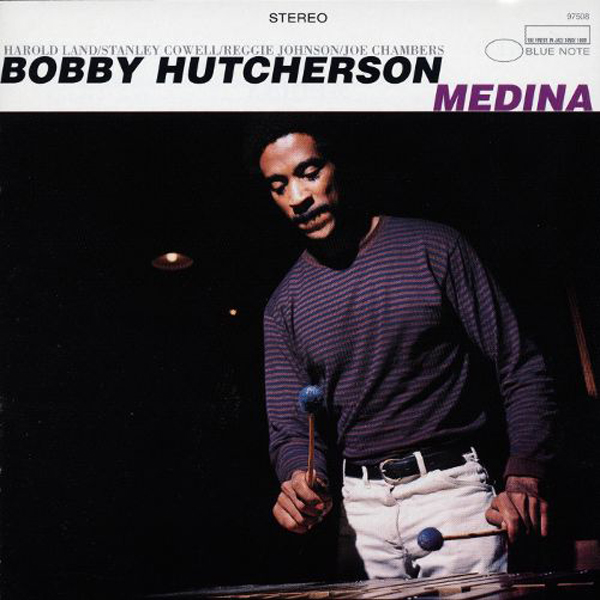
Medina was another Bobby Hutcherson/Harold Land Quintet session that didn’t see the light of day until over a decade later (recorded in 1969, issued in 1980). Again, it’s hard to see why, given the high quality of both the group and their music, which seemed to get lost in…

Read More