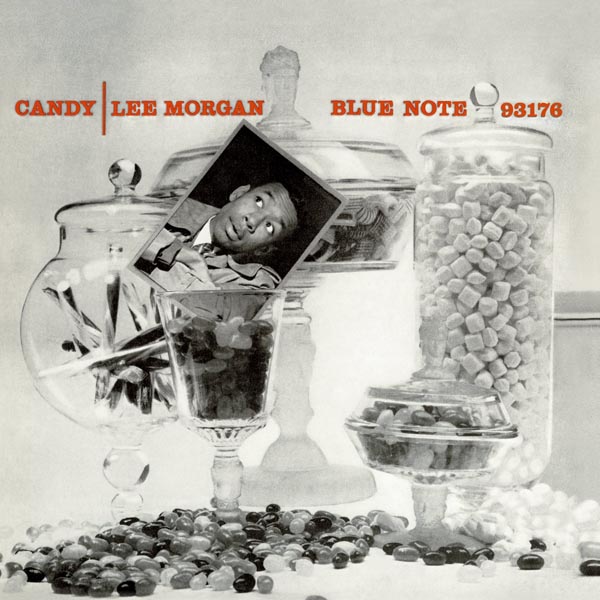
Recorded when he was only 19, Candy was one of the first albums (along with The Cooker, recorded the same year) where Lee Morgan showed his own unique style. His prodigal technical virtuosity had already been proven at this time in the Dizzy Gilliespie band, but Morgan’s first solo…
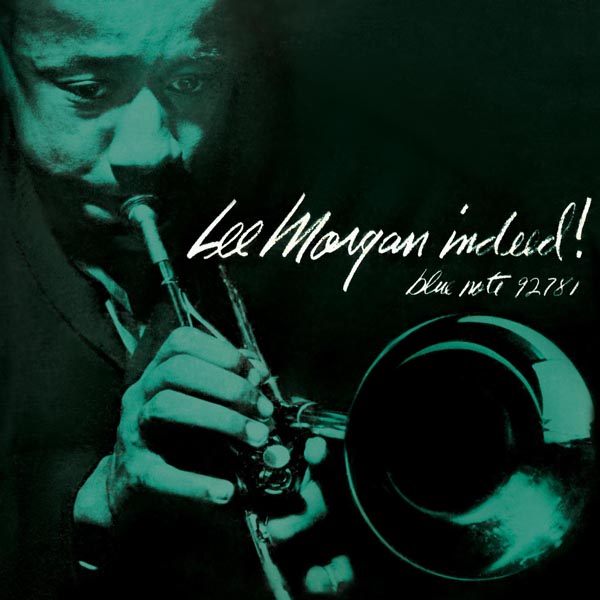
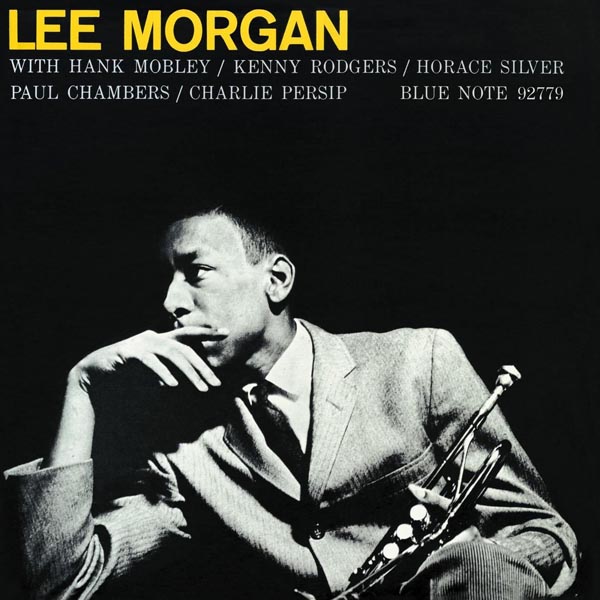
Lee Morgan Sextet (also known as Lee Morgan Volume 2: Sextet) is an album by jazz trumpeter Lee Morgan released on the Blue Note label in 1957. It was recorded on December 2, 1956 and features performances by Morgan, Hank Mobley, Kenny Rodgers, Horace Silver, Paul Chambers and Charlie Persip. The Allmusic review by Scott Yanow calls the album “An above-average hard bop set”.
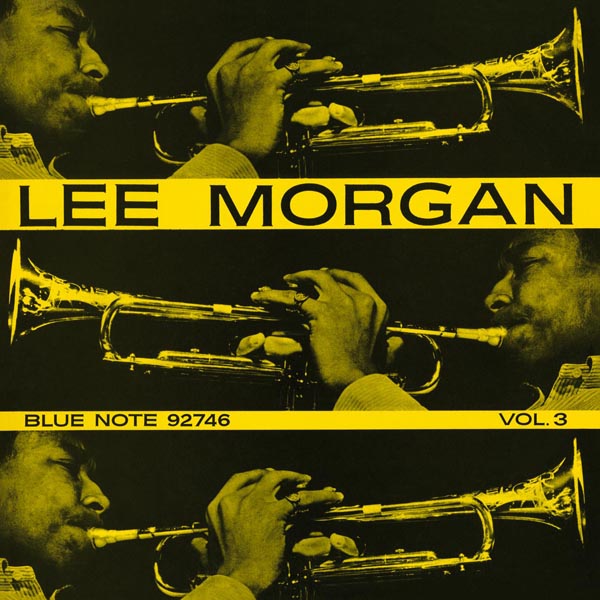
Lee Morgan Vol. 3 is the third album by jazz trumpeter Lee Morgan released on the Blue Note. It was recorded on March 24, 1957 and features performances by Morgan, Gigi Gryce,Benny Golson, Wynton Kelly, Paul Chambers and Charlie Persip. The Allmusic review by Scott Yanow calls the album “A fine hard bop date”.
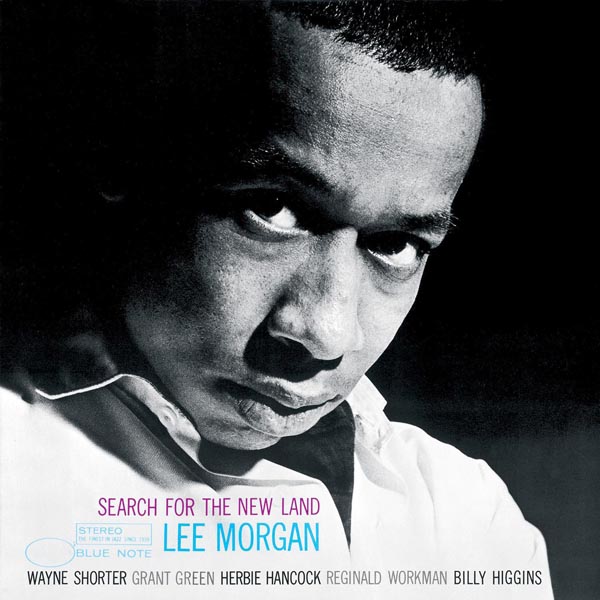
This set (the CD reissue is a duplicate of the original LP) is one of the finest Lee Morgan records. The great trumpeter contributes five challenging compositions (“Search for the New Land,” “The Joker,” “Mr. Kenyatta,” “Melancholee,” and “Morgan the Pirate”) that deserve to be revived. Morgan, tenor saxophonist…
This pair of 1963 studio sessions by Grant Green remained under wraps until issued as a part of Blue Note’s limited edition Jazz Connoisseur series. The guitarist is in fine form, accompanied by organist John Patton and drummer Ben Dixon, starting with a brilliant bop rendition of the popular…
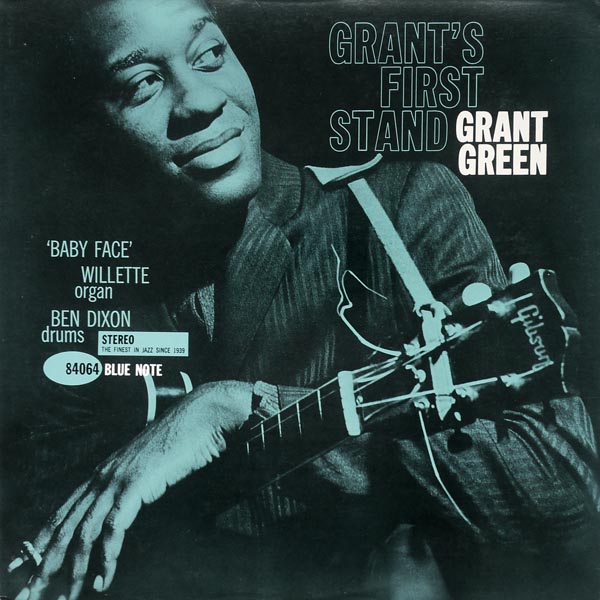
Grant Green’s debut album, Grant’s First Stand, still ranks as one of his greatest pure soul-jazz outings, a set of killer grooves laid down by a hard-swinging organ trio. For having such a small lineup — just organist Baby Face Willette and drummer Ben Dixon — the group cooks…
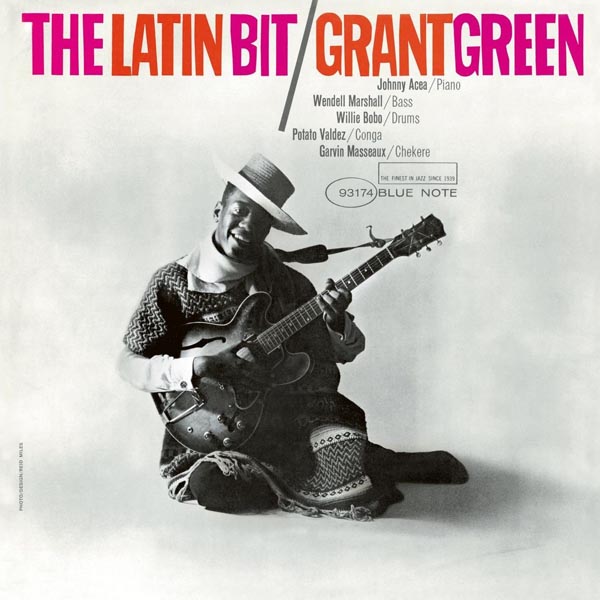
Grant Green, being known mainly as a soul-jazz guitarist, eventually gravitated into the popular boogaloo sound, a derivation of Latin music. The Latin Bit is the natural bridge to that next phase, though a bit premature for most in 1961-1963, even relative to the subsequent bossa nova craze. Pianist…
Grant Green’s third album to be released, Grantstand teams the clear-toned guitarist with an unlikely backing group of musicians who rarely appeared with Blue Note otherwise: tenor saxophonist Yusef Lateef (who doubles on flute), organist Brother Jack McDuff, and drummer Al Harewood. Although Lateef was beginning to delve deeply…
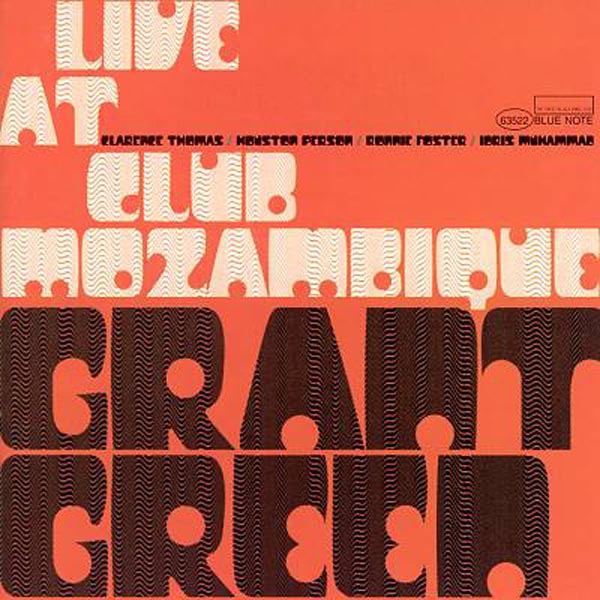
Live at Club Mozambique was, according to Bob Belden’s liner notes, rumored to exist for decades in Blue Note’s Grant Green discography, but was never released. His explanation as to why is satisfactory — Green’s star had waned considerably — and makes some sense, but the label had 15…