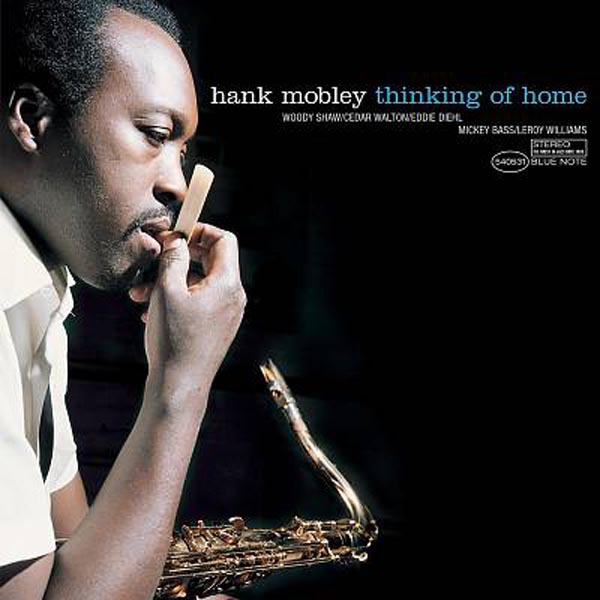
For what would be his final of over 20 Blue Note albums, tenor saxophonist Hank Mobley uses a sextet that also includes trumpeter Woody Shaw, the obscure guitarist Eddie Diehl, pianist Cedar Walton, bassist Mickey Bass, and drummer Leroy Williams for a typically challenging set of advanced hard bop…
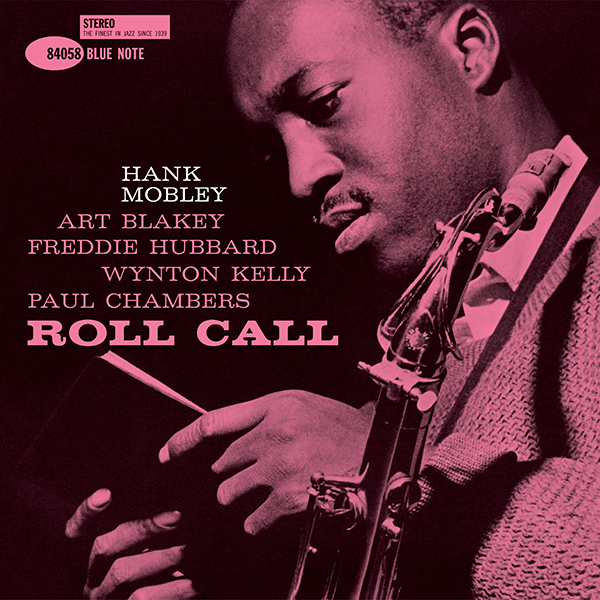
From the first moment when Art Blakey comes crashing in to establish a kinetic Latin groove on the eponymous opening song, Hank Mobley’s Roll Call explodes with energy. The first horn heard here is actually Freddie Hubbard’s trumpet, foreshadowing the prominent role that he would have in the sound…
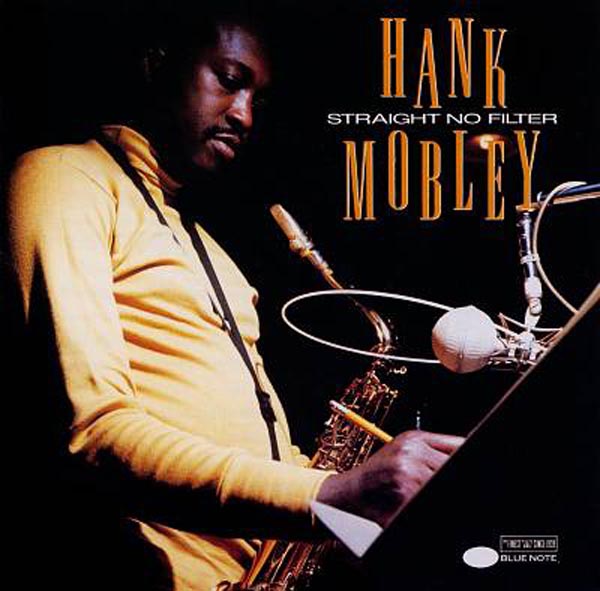
Straight No Filter finds tenor Hank Mobley in several settings from the mid-’60s, each of them excellent. The overall roster is quite impressive, starting with the first set which features trumpeter Lee Morgan, pianist McCoy Tyner, bassist Bob Cranshaw, and drummer Billy Higgins. The upbeat title cut is given…
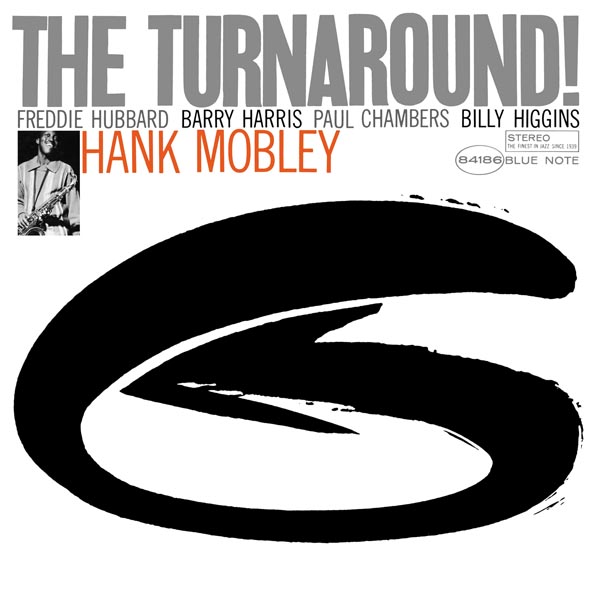
The Hank Mobley of the Turnaround album was a markedly different one from a few years earlier. This session issued in early 1965 was the product of two different sessions. The first was in March of 1963, immediately after Mobley left the Miles Davis band. Those recordings produced “East…
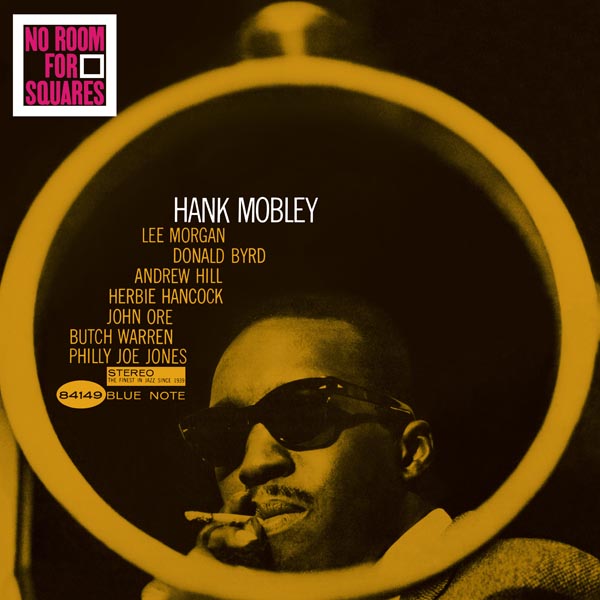
Why any critic would think that Hank Mobley was at the end of his creative spark in 1963 — a commonly if stupidly held view among the eggheads who do this for a living — is ridiculous, as this fine session proves. By 1963, Mobley had undergone a transformation…
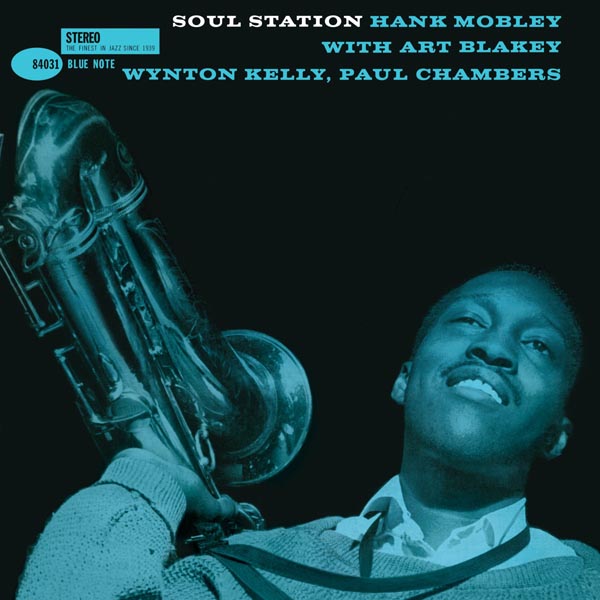
Often overlooked, perhaps because he wasn’t a great innovator in jazz but merely a stellar performer, tenor saxophonist Hank Mobley was at the peak of his powers on Soul Station. Recorded with a superstar quartet including Art Blakey on drums, Paul Chambers on bass, and Wynton Kelly on piano,…
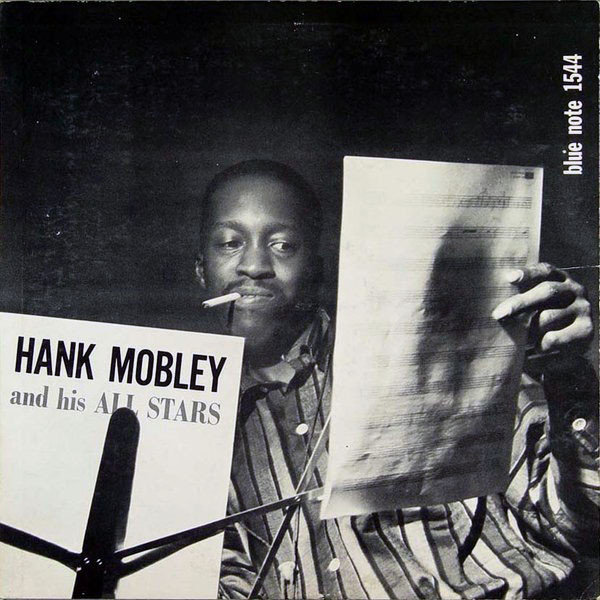
This CD is a straight reissue of a Hank Mobley LP that features the “Who’s Who” of late-’50s hard bop: the tenor-leader, vibraphonist Milt Jackson, pianist Horace Silver, bassist Doug Watkins and drummer Art Blakey. The quintet performs five Mobley compositions (best is the lyrical “Mobley’s Musings”), songs that…
This is one of tenor saxophonist Hank Mobley’s more intriguing sessions, for the talented composer had an opportunity to have four of his originals, plus the standard “There’s a Lull in My Life,” performed by an octet in the cool-toned style of Miles Davis’s “Birth of the Cool” nonet,…
Hank Mobley was a perfect artist for Blue Note in the 1960s. A distinctive but not dominant soloist, Mobley was also a very talented writer whose compositions avoided the predictable yet could often be quite melodic and soulful; his tricky originals consistently inspired the young all-stars in Blue Note’s…
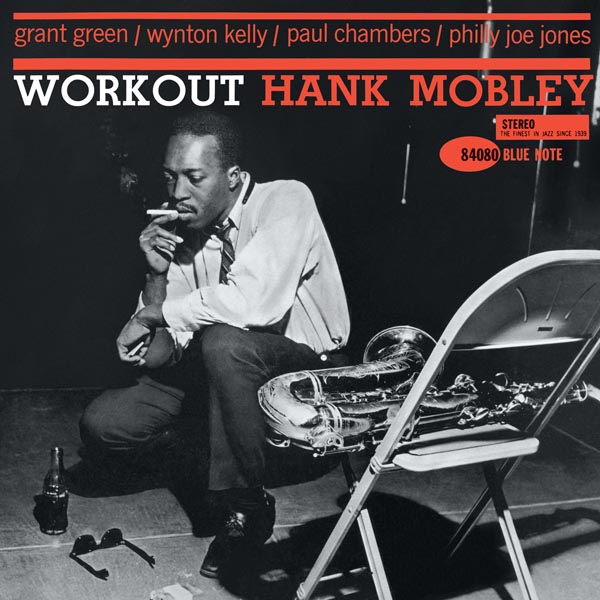
This is one of the best-known Hank Mobley recordings, and for good reason. Although none of his four originals (“Workout,” “Uh Huh,” “Smokin’,” “Greasin’ Easy”) caught on, the fine saxophonist is in top form. He jams on the four tunes, plus “The Best Things in Life Are Free,” with…