The seven sides on The Sermon! (1958) come from a pair of studio dates, the first of which was held August 25, 1957 and includes Jimmy Smith (organ), Lee Morgan (trumpet), George Coleman (alto sax), Curtis Fuller (trombone), Eddie McFadden (guitar), Kenny Burrell (guitar) and Donald Bailey (drums). This…
Recorded the first day of February in 1963, but not released for a few years, Bucket! is a fairly typical Jimmy Smith session, featuring the organist running through a selection of originals and standards with guitarist Quentin Warren and drummer Donald Bailey in tow. The vibe is relaxed, not…
This is quite an unusual date for Jimmy Smith during his Blue Note years. He leads a quartet with baritone saxophonist Cecil Payne, guitarist Kenny Burrell and either Art Blakey or Donald Bailey on drums, one of the rare occasions he didn’t use Lou Donaldson during this period. Except…
This CD reissue of a formerly rare date has a perfectly suitable title for it is the first of four albums that organist Jimmy Smith made within an eight-day period for Blue Note before permanently leaving the label for Verve. Although notable for matching Smith with guitarist Grant Green…
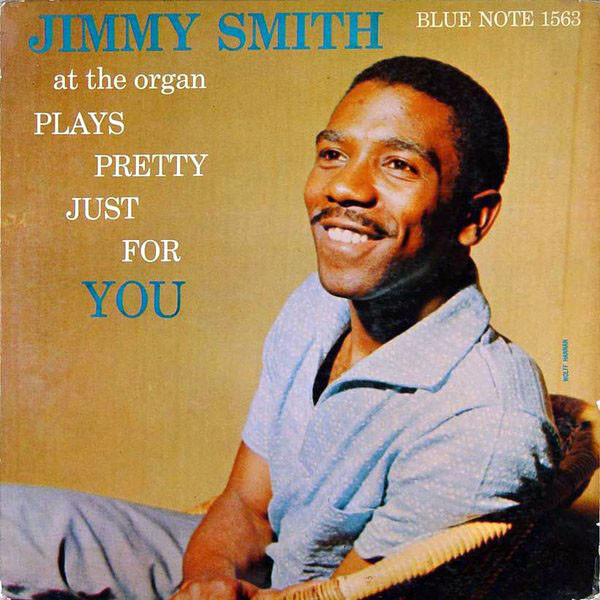
Unlike most of the Jimmy Smith recordings from the era, this CD reissue (which adds “If I Should Lose You” and “When Lights Are Low” to the original LP program) features organist Jimmy Smith’s regular group (rather than an all-star band). With guitarist Quentin Warren and drummer Donald Bailey…
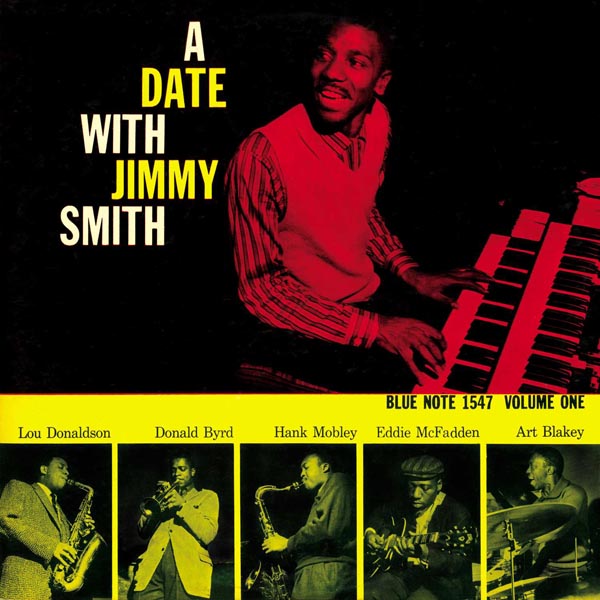
After cutting five albums with his trio, organist Jimmy Smith on Feb. 11, 1957, recorded with trumpeter Donald Byrd, altoist Lou Donaldson and tenor saxophonist Hank Mobley in a sextet that also included guitarist Eddie McFadden and drummer Art Blakey. Among the five songs recorded that day, two (lengthy…
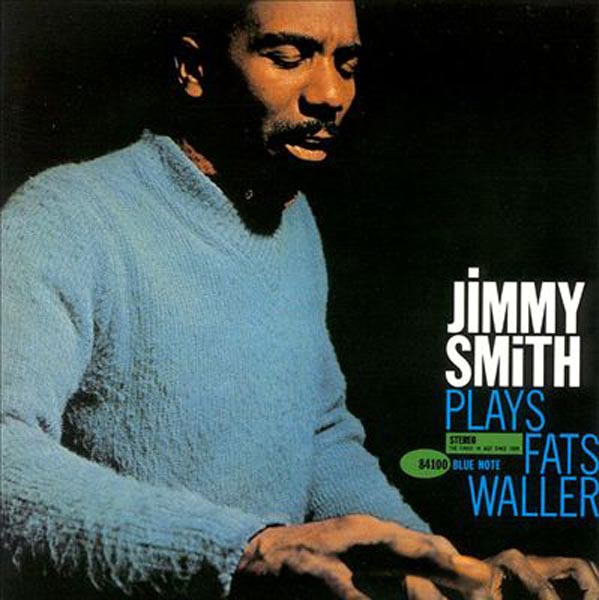
Playing piano-style single-note lines on his Hammond B-3 organ, Jimmy Smith revolutionized the use of the instrument in a jazz combo setting in the mid-’50s and early ’60s, and this piano approach makes him a natural to adapt the piano tunes associated with Fats Waller to the B-3, which…
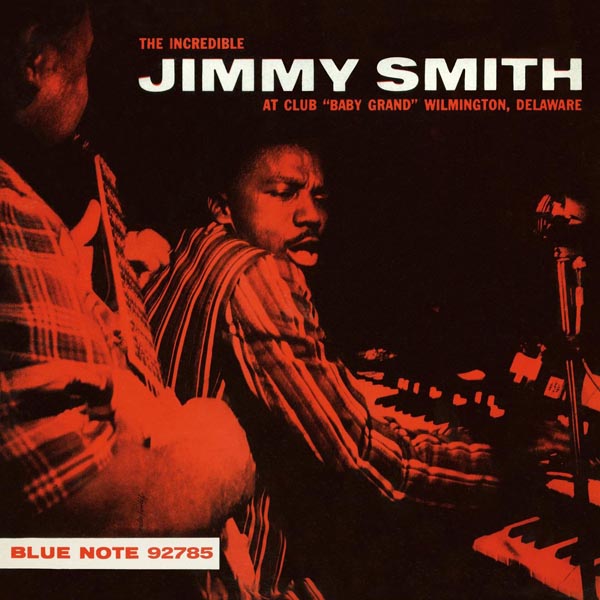
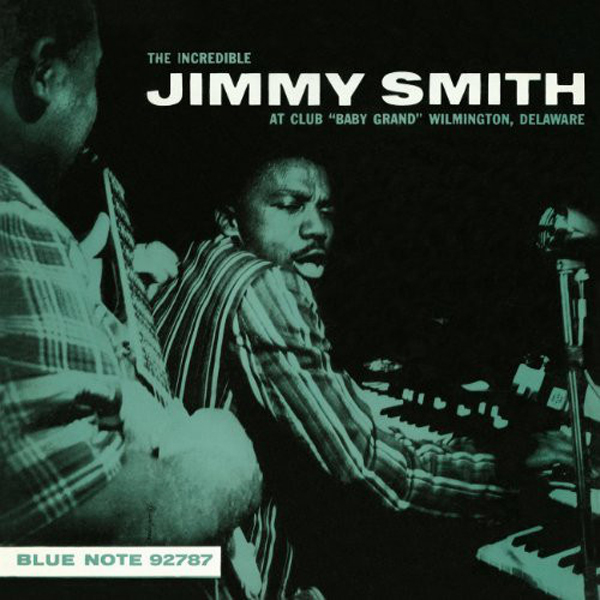
Playing piano-style single-note lines on his Hammond B-3 organ, Jimmy Smith revolutionized the use of the instrument in a jazz combo setting in the mid-’50s and early ’60s, and he was still the next big thing on the block when he recorded two LP volumes live over the course…