

This CD should greatly interest all Jimmy Smith collectors, including those who already have the original LP. In addition to four excellent selections (quintets with altoist Lou Donaldson, Tina Brooks on tenor, guitarist Eddie McFadden, either Art Blakey or Donald Bailey on drums and the organist/leader), there are three…
07
Mar 2019
07
Mar 2019
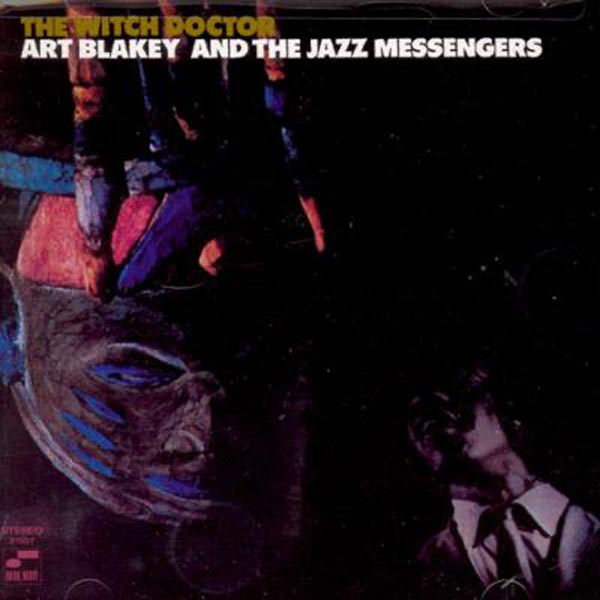
Into the third year of utilizing late-’20s superstars trumpeter Lee Morgan and tenor saxophonist Wayne Shorter on the front line, Art Blakey’s Jazz Messengers were showing a progressive compositional stance, mostly due to the emerging creativity of Shorter’s sharply off-minor ideas. Pianist Bobby Timmons, a peer of the front…
07
Mar 2019
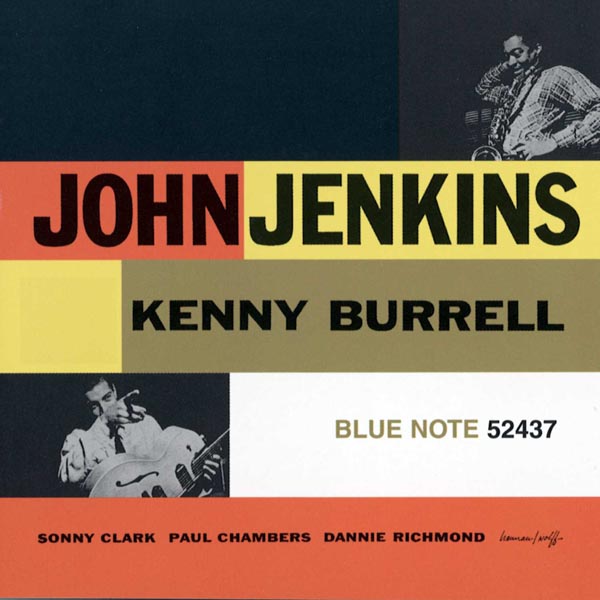
The second (and best) of John Jenkins’ two sessions as a leader features the altoist in a quintet with guitarist Kenny Burrell, pianist Sonny Clark, bassist Paul Chambers, and drummer Dannie Richmond. Sounding at times like Charlie Parker (with touches of Phil Woods and Jackie McLean), Jenkins easily keeps…
07
Mar 2019
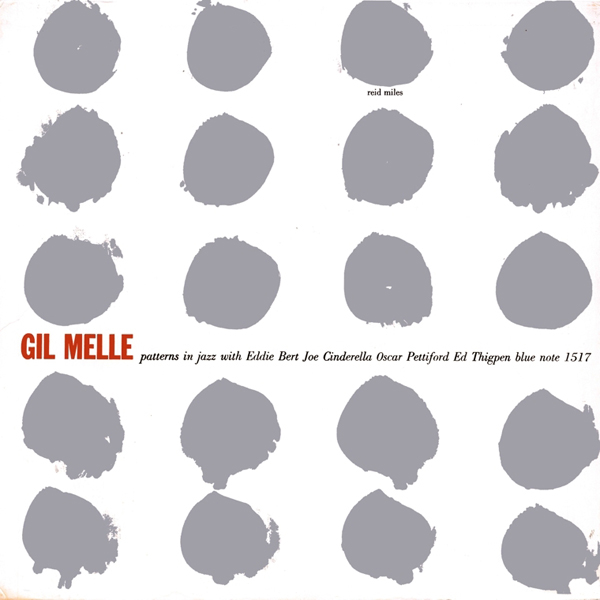
Like the modern art that stormed the art world in the ’50s, Patterns in Jazz is filled with bright, bold colors and identifiable patterns that camouflage how adventurous the work actually is. On the surface, the music is cool and laid-back, but close listening reveals the invention in Melle’s…
07
Mar 2019
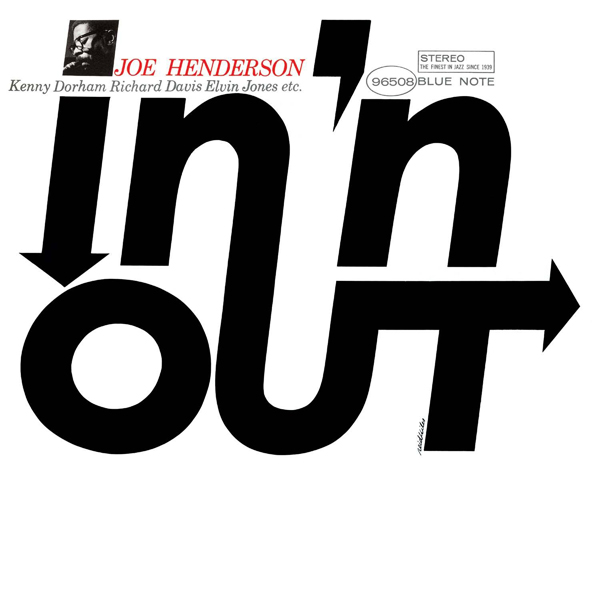
Joe Henderson’s third Blue Note release (which is here reissued on CD along with the addition of a previously unissued version of the title cut) matches the very distinctive tenor with the veteran trumpeter Kenny Dorham and an unbeatable rhythm section: pianist McCoy Tyner, bassist Richard Davis and drummer…
07
Mar 2019
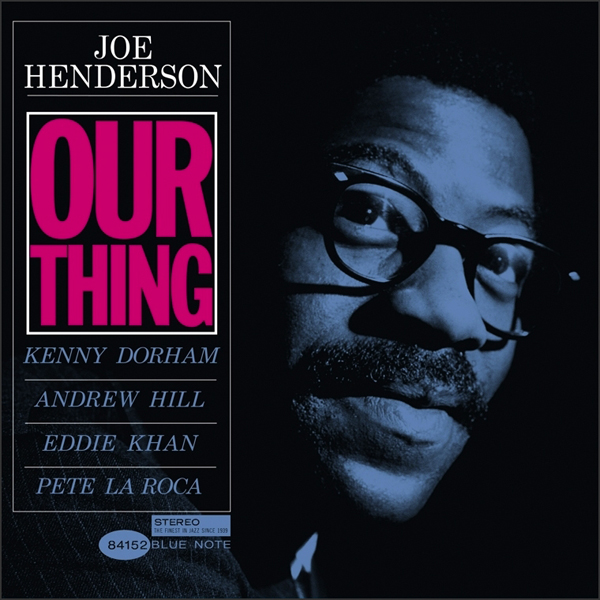
Joe Henderson’s second recording as a leader features a very strong supporting cast: trumpeter Kenny Dorham (one of Henderson’s earliest supporters), pianist Andrew Hill, bassist Eddie Khan, and drummer Pete La Roca. Together they perform three Dorham and two Henderson originals, advanced music that was open to the influence…
07
Mar 2019
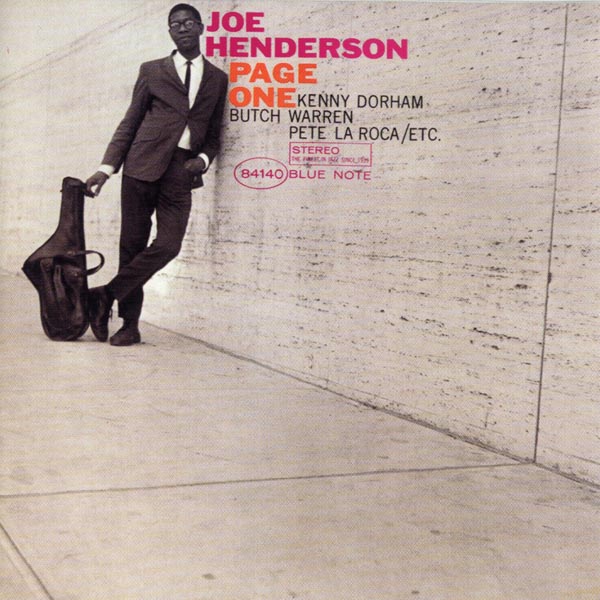
Tenor saxophonist Joe Henderson’s debut as a leader is a particularly strong and historic effort. With major contributions made by trumpeter Kenny Dorham, pianist McCoy Tyner, bassist Butch Warren, and drummer Pete La Roca, Henderson (who already had a strikingly original sound and a viable inside/outside style) performs six…
07
Mar 2019
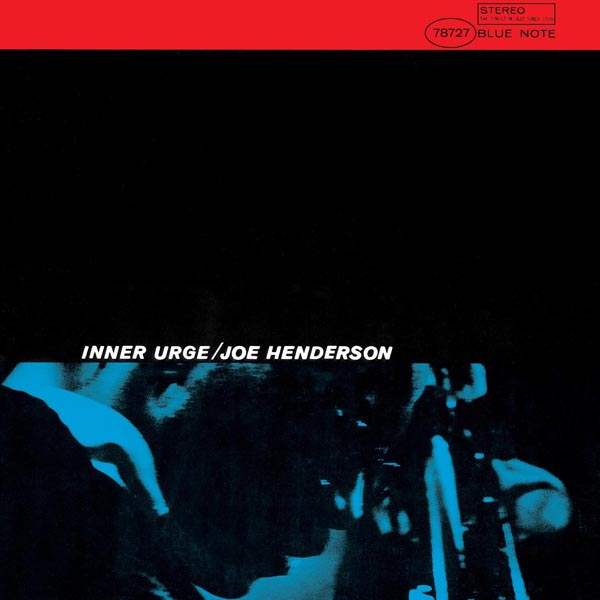
This early recording by Joe Henderson is not only one of the finest of all of his fine recordings, but is also a high point for 1960s jazz. At this point in his career, Henderson was a full-time member of Horace Silver’s combo and did not yet have a…
07
Mar 2019
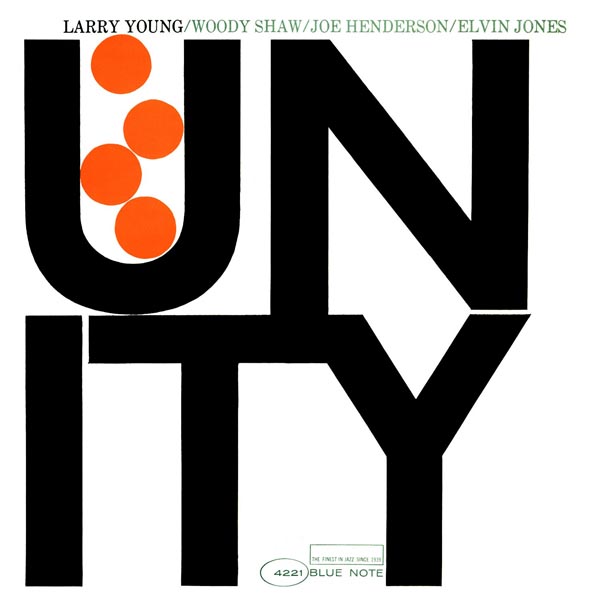
07
Mar 2019
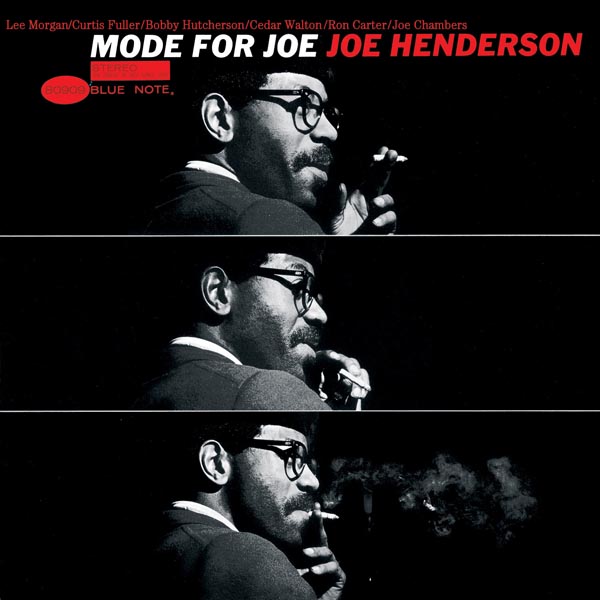
Tenor saxophonist Joe Henderson’s fifth and final early Blue Note album is his only one with a group larger than a quintet. Henderson welcomes quite an all-star band (trumpeter Lee Morgan, trombonist Curtis Fuller, vibraphonist Bobby Hutcherson, pianist Cedar Walton, bassist Ron Carter and drummer Joe Chambers) and together…