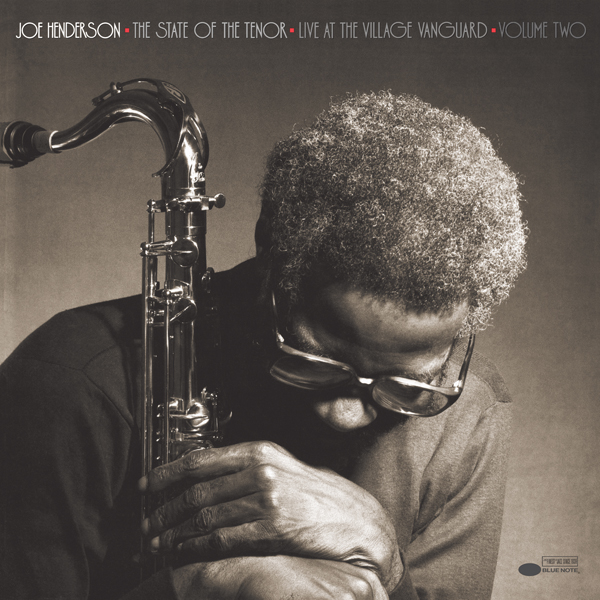
The first of two LPs documenting tenor-saxophonist Joe Henderson’s engagement at the Village Vanguard in 1985 (with bassist Ron Carter and drummer Al Foster) features Henderson in top form on six selections. Highlights include “Beatrice,” Thelonious Monk’s rarely performed “Friday the Thirteenth,” “Ask Me Now” and “Isotope.” All of…
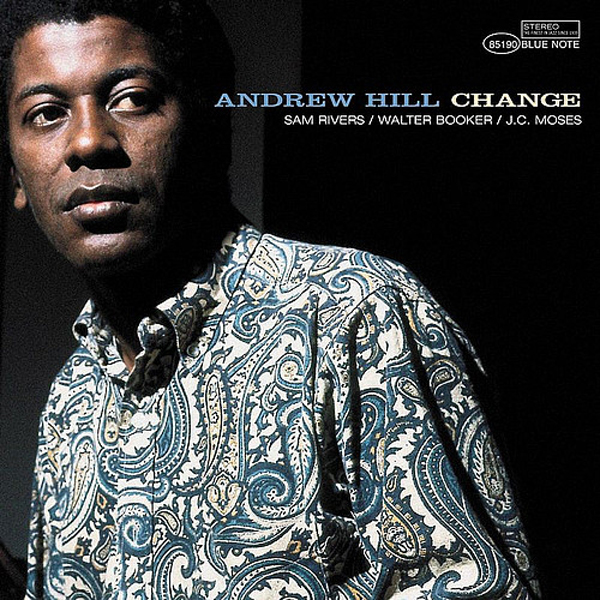
The 1966 edition of the Andrew Hill Quartet included saxophonist Sam Rivers, bassist Walter Booker, and drummer J.C. Moses. This group recorded what was to be the first of Andrew Hill’s four “free” sessions for Blue Note. The other three were all recorded in 1967 and were solo piano…
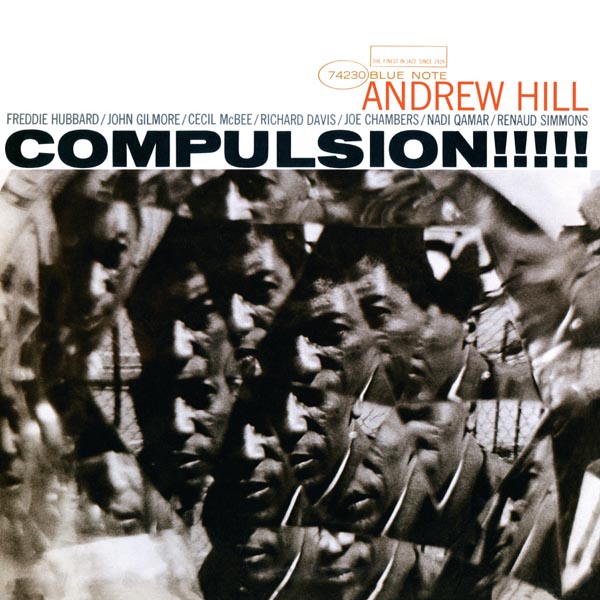
Compulsion continues Andrew Hill’s progression, finding the pianist writing more complex compositions and delving even further into the avant-garde. Working with a large, percussion-heavy band featuring Freddie Hubbard (trumpet, flugelhorn), John Gilmore (tenor saxophone, bass clarinet), Cecil McBee (bass), Joe Chambers (drums), Renaud Simmons (conga), Nadi Qamar (percussion), and,…
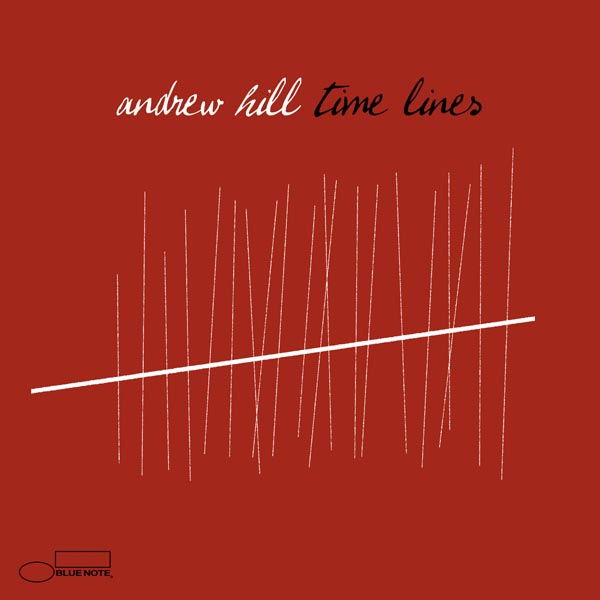
Andrew Hill has been, in the gentlest of cases, an idiosyncratic player, composer, and bandleader. But often, reviews of his work have been quite strident and refer to him as an iconoclast. That’s okay; some critics thought of Monk and Herbie Nichols that way, too. Time Lines has Hill…
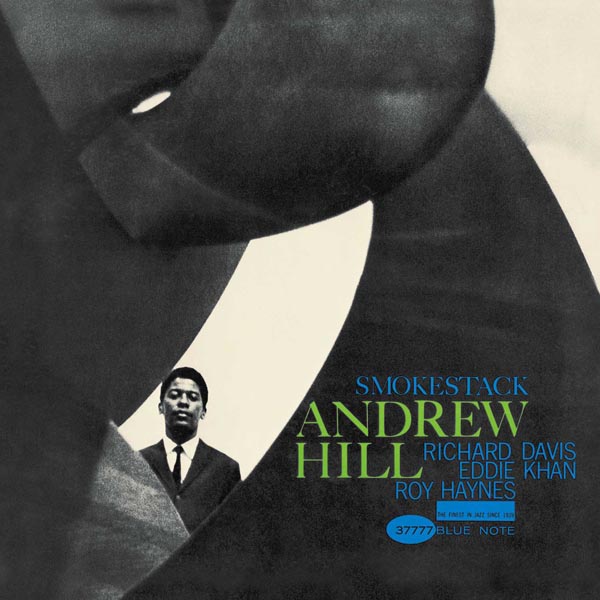
Trimming away some of the overt Afro-Cuban rhythms that distinguished Black Fire, Andrew Hill turned in a dense, cerebral set of adventurous post-bop on his second Blue Note session, Smoke Stack. Comprised entirely of original Hill compositions, Smoke Stack is in the middle ground between hard bop and free…
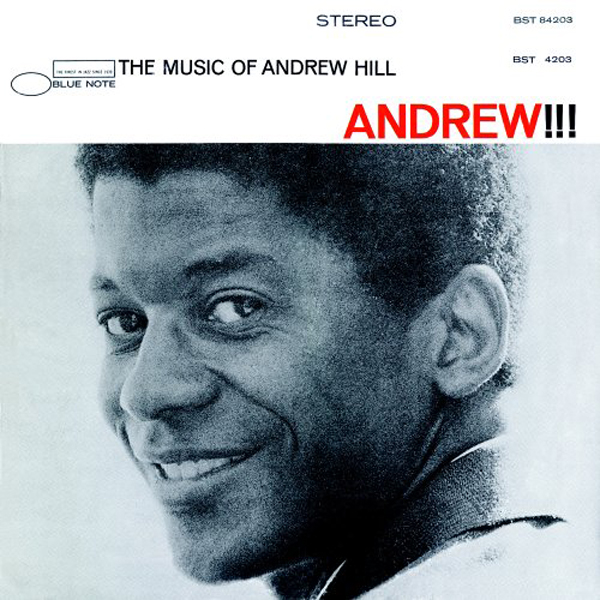
Anyone familiar with Andrew Hill’s music will find the cover to Andrew!!! a little bizarre, to say the least. Hill was one of the most intense and cerebral musicians on Blue Note’s roster, incorporating avant-garde and modal techniques into his adventurous post-bop. The cover to Andrew!!! apparently is an…
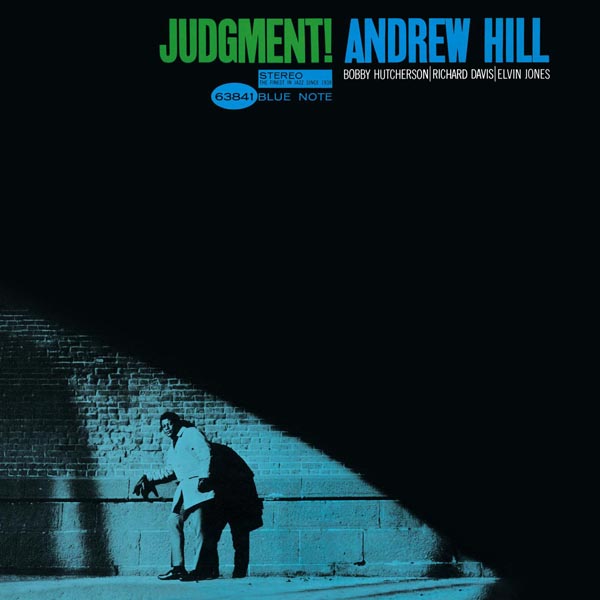
Augmenting his rhythm section of bassist Richard Davis and drummer Elvin Jones with vibraphonist Bobby Hutcherson, pianist Andrew Hill records an excellent set of subdued but adventurous post-bop with Judgment. Without any horns, the mood of the session is calmer than Black Fire, but Hill’s compositions take more risks…
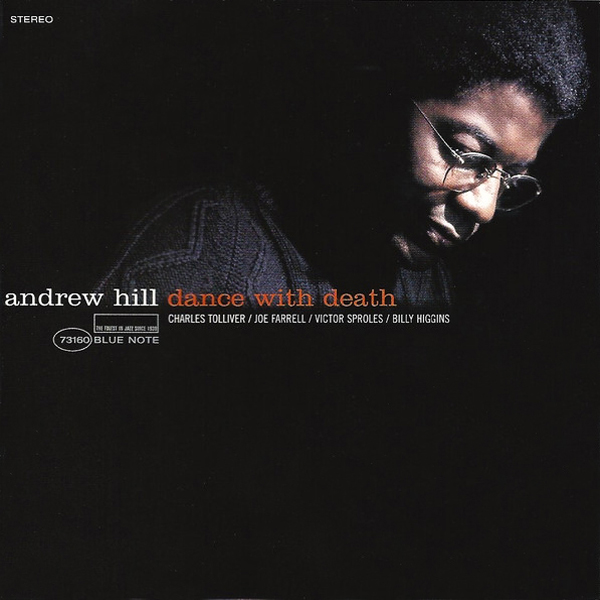
Andrew Hill’s Dance of Death, recorded in 1968 with a stellar band, was not issued until 1980. In the late 1960s, Blue Note was no longer the most adventurous of jazz labels. While certain titles managed to scrape through — Eddie Gale’s Ghetto Music did but only because Francis…
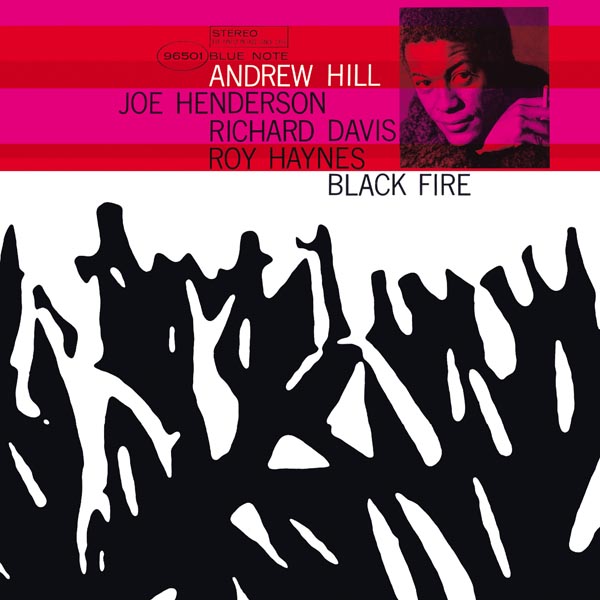
Black Fire, Andrew Hill’s debut record for Blue Note, was an impressive statement of purpose that retains much of its power decades after its initial release. Hill’s music is quite original, building from a hard bop foundation and moving into uncharted harmonic and rhythmic territory. His compositions and technique…